Brain Injury & Dementia
Acquired Brain Injury &
Neurological Disability
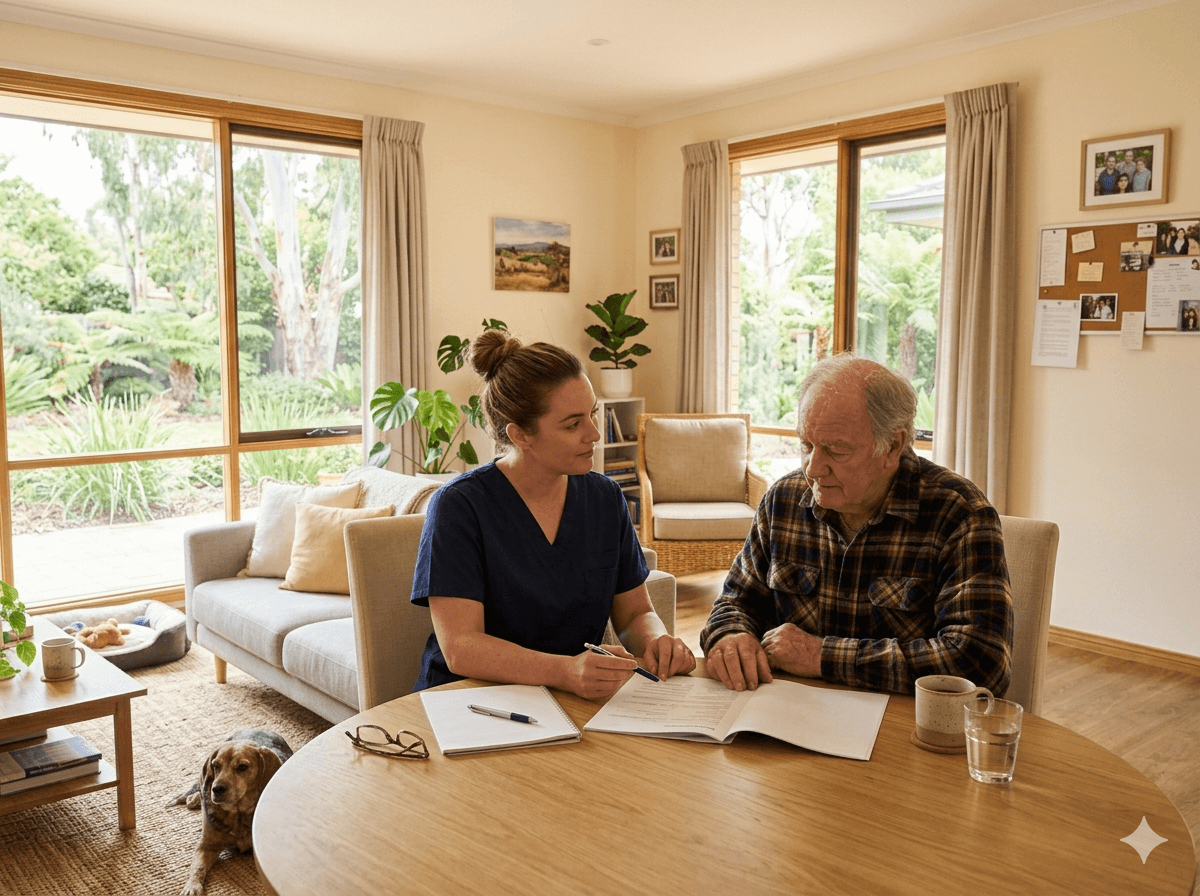
Neurological conditions present differently in every participant. Nurse Aid Australia has specialist clinical capability across acquired brain injury, dementia, and related neurological conditions — delivered in SIL environments built for this complexity.
What this means in a SIL context
Acquired Brain
Injury Support
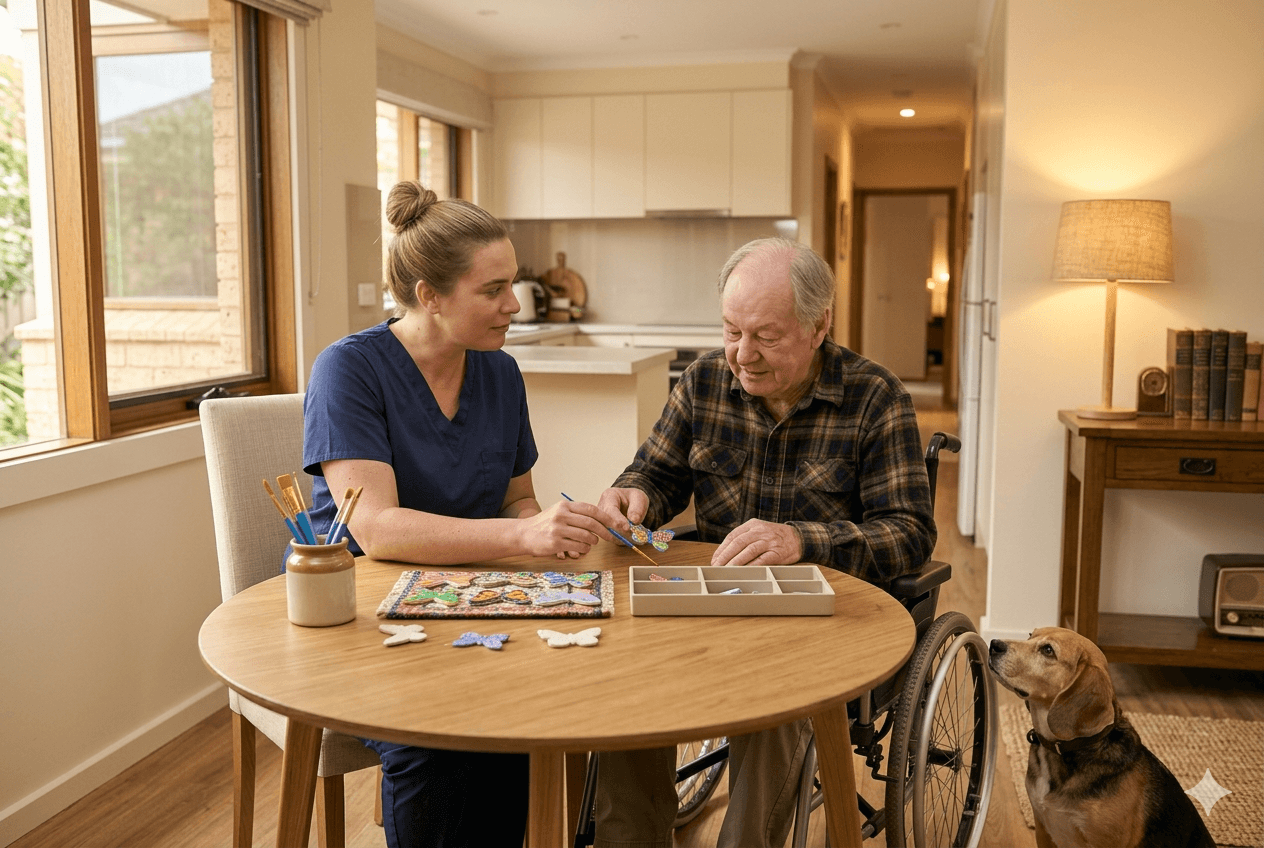
ABI refers to brain damage occurring after birth — including traumatic brain injury, stroke, hypoxic brain injury, and brain damage from infection or substance use. In a SIL context, ABI commonly presents with cognitive impairment, behavioural changes, emotional dysregulation, communication difficulties, and significant variability in daily functioning.
- Clinical oversightMonitor and respond to changes in presentation — not a periodic review.
- Positive behaviour supportDocumented PBS plans implemented consistently by all staff.
- Consistent staffingABI participants are acutely sensitive to changes in the support team.
- Structured environmentsPredictable routines reduce distress and support daily functioning.
- Communication-adapted supportWorkers trained in acquired communication differences and approaches.
What this means in a SIL context
Dementia
Support
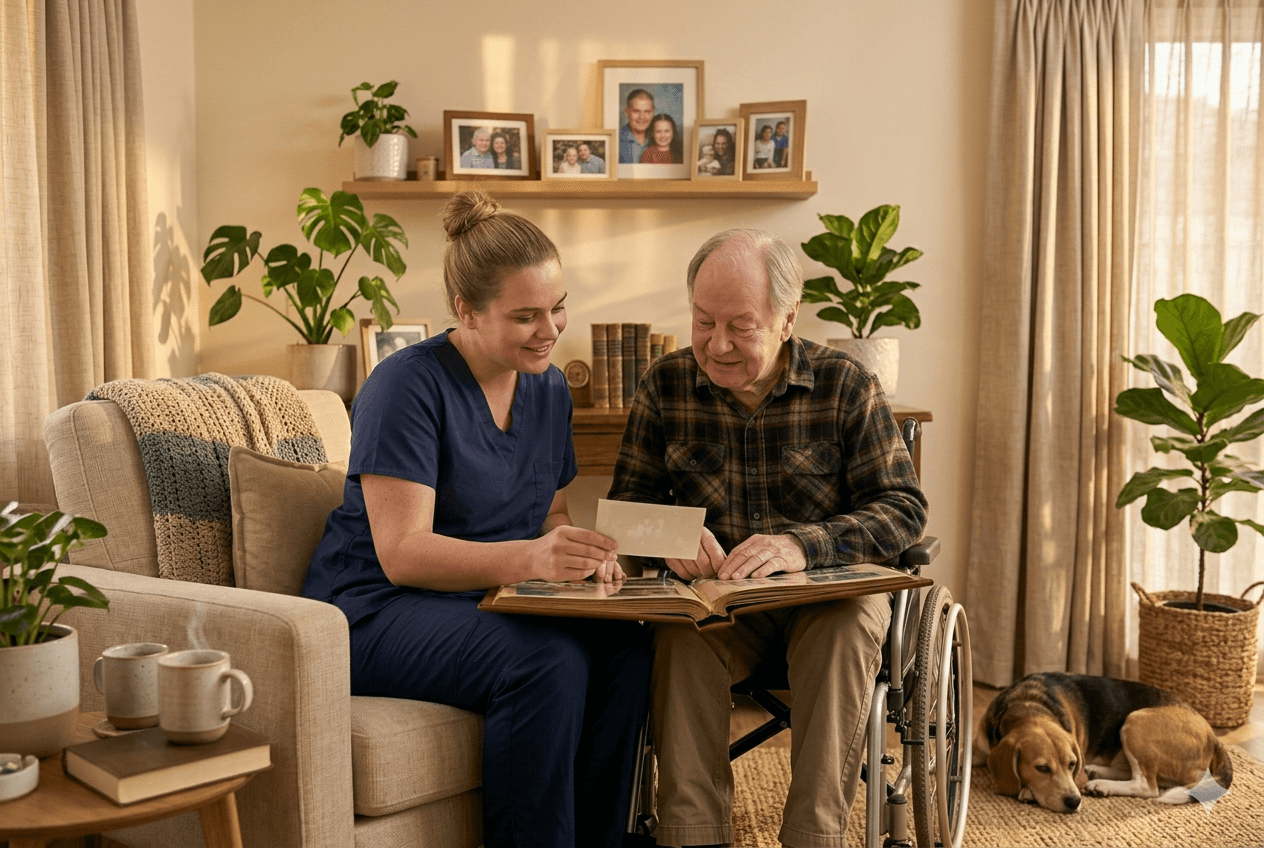
Dementia refers to progressive cognitive decline including memory, reasoning, and communication. NDIS participants living with dementia — particularly younger-onset dementia — have complex and evolving support needs including behavioural and psychological symptoms (BPSD), medication management, and increasing personal care requirements.
- Medication managementUnder nursing oversight — not delegated to untrained workers.
- BPSD behaviour supportStructured responses to distress, wandering, and agitation.
- Environment designReduces disorientation and distress through familiar cues and structure.
- Family involvementActive, structured — families are part of the care model.
- Adaptive care planningPlans that evolve as the condition progresses — not static documents.
Also within this category
Other neurological conditions we support
High Intensity Support capability
Many participants with ABI or dementia require support workers with High Intensity competencies — including seizure management, complex medication administration, and other clinical procedures. NAA staff hold the relevant Module 2 certifications.
View our High Intensity Support capability →Our Approach
How NAA supports participants with neurological disability
Neurological conditions present differently in every participant, so support is built around each individual's specific cognitive, behavioural, and physical presentation rather than a generic template. Support workers are briefed on each participant's presentation and the approaches that work for them, and consistency within the support team is prioritised — familiar staff reduce confusion and distress for participants with cognitive impairment. Where a participant's needs include clinical components — such as medication management or changes in neurological presentation — these are handled under nursing oversight, documented, and reviewed regularly, with the participant's treating team informed of any significant changes.
Staff Capability
Clinical capability for complex neurological presentations
NAA's support workers hold a minimum of a Certificate III in Individual Support (or equivalent), along with the mandatory checks and training required to work on-floor, and complete ongoing training as participant needs require. The clinical model is backed by AHPRA-registered nurses — both Enrolled and Registered Nurses — with a Registered Nurse on call 24/7 for clinical guidance and escalation. Where a participant's plan involves behavioural complexity, NAA works closely with behaviour support practitioners, coordinating directly on the participants they share. Staff hold specific competencies relevant to complex support, including diabetes management, complex bowel care, dementia support, and mealtime management, refreshed through regular in-house training.
From A Service Coordinator
From my experience, their carers show genuine compassion and go above and beyond to understand each participant's individual needs. The team is highly professional — clear communication, strong data collection, and thorough attention to detail. I would highly recommend NAA as a SIL and care provider.
Frequently Asked
Questions coordinators ask about ABI & neurological support
If your question is not here, call us directly. We answer during business hours and return all messages the same day.
✏️ Participant story link — populate once a relevant /evidence/stories/ page is published